
GA Landscaping & Masonry LLC installs new lawns for homeowners, businesses, and property managers in Norwalk and nearby Fairfield County communities. Depending on the property and project goals, the agreed method may use seed or sod.
A lasting lawn begins below the grass. We review the existing surface, soil, grade, drainage, sunlight, access, intended use, and establishment responsibilities before defining the preparation and installation scope.
New Lawn Installation Is More Than Adding Seed or Sod
The visible grass is the final layer of the project. Existing vegetation, roots, stones, compacted or unsuitable soil, low areas, runoff, slopes, and access may influence preparation. Your estimate should explain the work area, materials, lawn method, cleanup, and establishment responsibilities.
Seed and Sod Options for New Lawns
Seed installation
A prepared seedbed can provide a practical lawn-establishment option when the site, season, watering plan, and expected establishment period are appropriate.
Sod installation
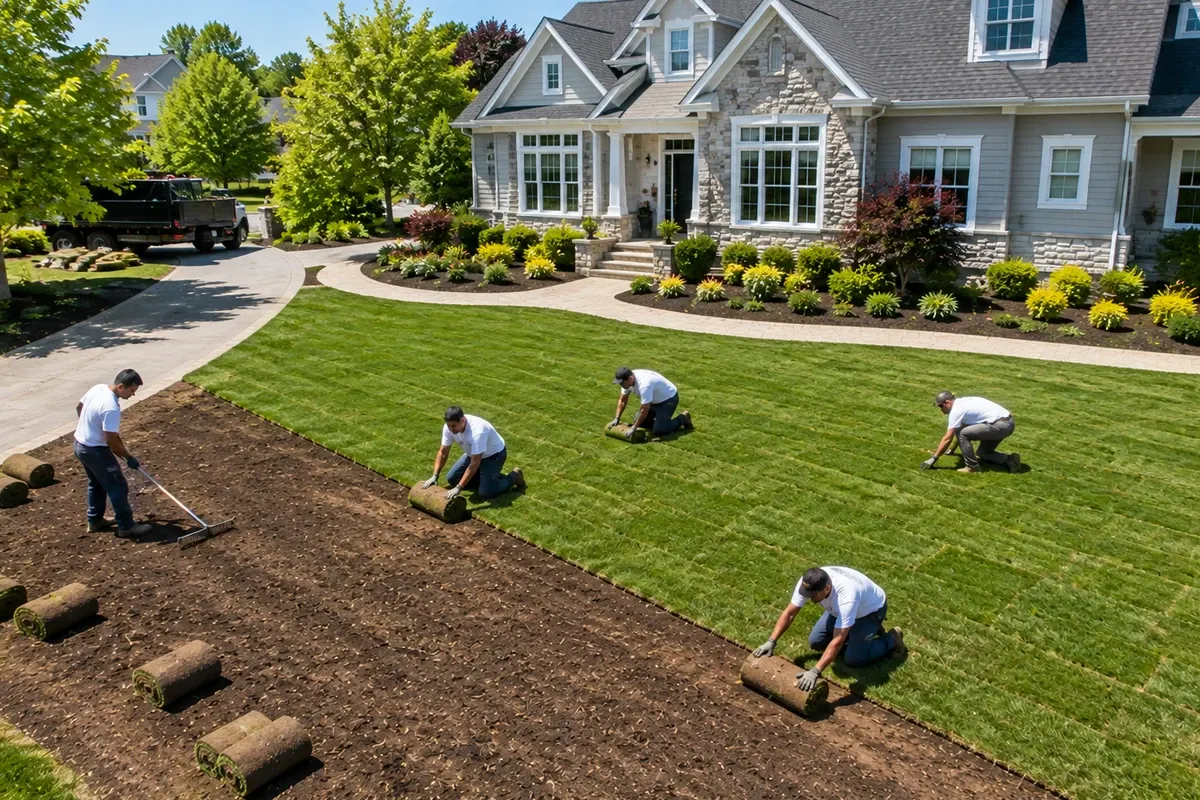
Sod provides immediate surface coverage, but still requires correct preparation, close soil contact, consistent watering, and time to establish roots.
Lawn repair and replacement
Selected areas may need renovation or complete replacement depending on weeds, bare soil, grading, compaction, roots, drainage, and the desired finished use.
What We Evaluate Before Installation
- The size, shape, slope, sunlight, and intended use of the lawn area.
- Existing turf, weeds, debris, stones, roots, and surface conditions.
- Soil condition, compaction, grade, low spots, and visible drainage concerns.
- Access for equipment, soil, sod, seed, and cleanup material.
- Nearby walks, patios, driveways, plantings, irrigation, utilities, and structures.
- Watering access, establishment care, weather, and seasonal timing.
Installing a Lawn After Tree or Stump Work
A new lawn can often follow tree removal or stump grinding, but the area may contain remaining roots, wood material, disturbed soil, or settling. These conditions should be reviewed before the final grade and lawn method are selected.
If the property also needs planting, garden-bed work, or ongoing care, review our broader landscaping services. Patios, walkways, borders, or walls should be coordinated with masonry work before the lawn is finished.
Our New Lawn Installation Process
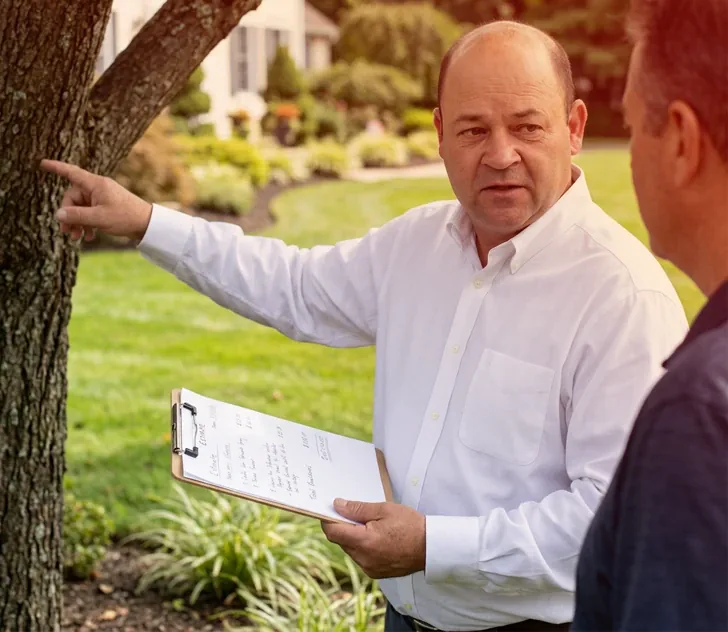
- Property review: We inspect the proposed lawn area and discuss how you want to use it.
- Condition and access planning: We identify preparation, grading, drainage, material, and equipment considerations visible during the visit.
- Method and scope: The estimate identifies seed or sod, the agreed work area, preparation, materials, cleanup, and relevant exclusions.
- Preparation and installation: The area is prepared and the selected lawn method is installed according to the agreed scope.
- Establishment guidance: We explain the relevant watering, traffic, mowing, and follow-up expectations for the installed lawn.
Establishment note: seed and sod are living materials. Watering, weather, soil, sunlight, drainage, traffic, and ongoing maintenance influence establishment. Responsibilities and practical expectations should be confirmed before installation.
Serving Norwalk and Nearby Fairfield County Towns
Our Norwalk-based team evaluates new lawn projects in nearby communities including Westport, Wilton, New Canaan, Darien, Stamford, Weston, Fairfield, and Greenwich.
View all service areas and share the property address when requesting an estimate.


Request a New Lawn Installation Estimate
Tell us the property location, approximate lawn area, current surface, drainage or access concerns, and whether you are considering seed or sod. You may also attach project photos.
Get a Free Estimate Call (203) 952-8448Frequently Asked Questions
Clear answers about planning, access, scope, and what to expect from this service.
Pricing depends on the size and condition of the area, removal of the existing surface, soil and grading needs, drainage, access, the amount of topsoil or other material required, whether seed or sod is selected, and the agreed cleanup. We inspect the property before defining the scope and estimate.
Both can establish a lawn, but they differ in cost, installation timing, watering, appearance, and establishment period. The practical option depends on the property, season, sunlight, soil, intended use, budget, and how quickly you need a usable surface.
Preparation may include removing weeds, debris, old turf, stones, roots, or unsuitable surface material; correcting selected grades; adding and preparing soil; and creating a suitable seedbed or sod base. The exact work depends on the existing conditions and agreed project.
Often, yes, but the area should be evaluated for remaining roots, stump grindings, settling, disturbed soil, and grade. Additional material or preparation may be needed before seed or sod is installed, and future settling should be considered in the plan.
The timeline varies with seed or sod, season, weather, watering, soil, sunlight, and growth. New areas should be protected from regular foot traffic until they have established sufficiently. We discuss practical care and use expectations for the selected method.
Watering responsibilities and any available follow-up care should be confirmed in the estimate. Consistent watering is essential during establishment, but the schedule must respond to the lawn method, weather, soil, drainage, and site conditions rather than follow one rule for every property.